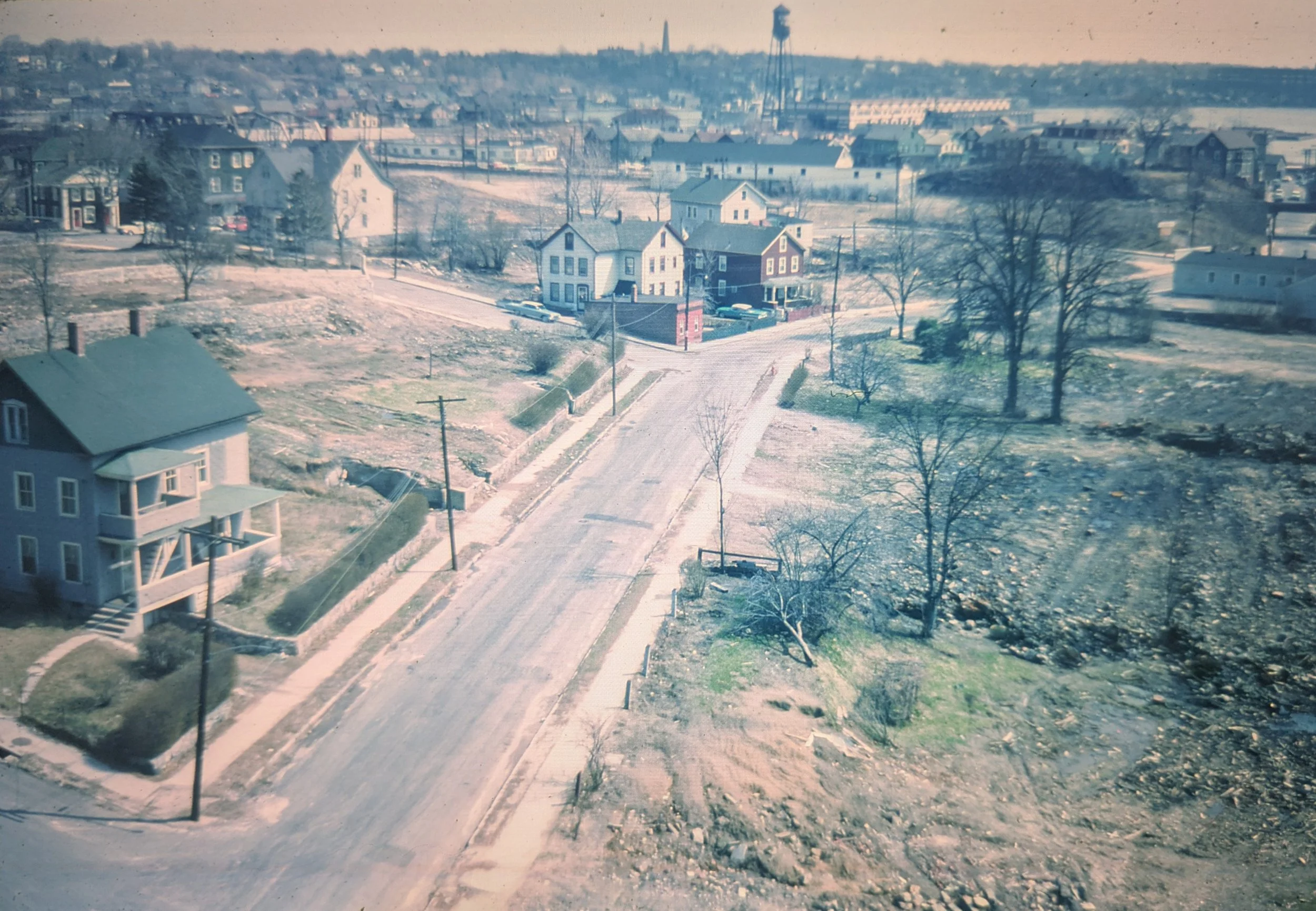
upper Winthrop Street…
While many of these George Oldershaw pictures appear in Lost New London, they are not in color. Those photos in black & white appear courtesy Public Works, CONL. For a bit of orientation, let‘s take a look at the Sanborn fire insurance map from 1954.

The side street on the left hand side going under the bridge is Lewis Street. The center side street is Front Street. On the right side is Crystal Avenue, pretty much where it is today.
On the cove side of Winthrop Street, the house numbers run as follows, left to right:
132 130 118 110 100 88 86 84 82 (mixed comm/res) 80 (club) 76
In the Oldershaw photo taken from the bridge (try doing this today) in 1961, 132 and 130 Winthrop are in the foreground, followed by 118, the Kuzia home, and 110, the Potter home. 100, the Misarski home, is at the bend to the right, partially hidden by foliage and is covered on another page.
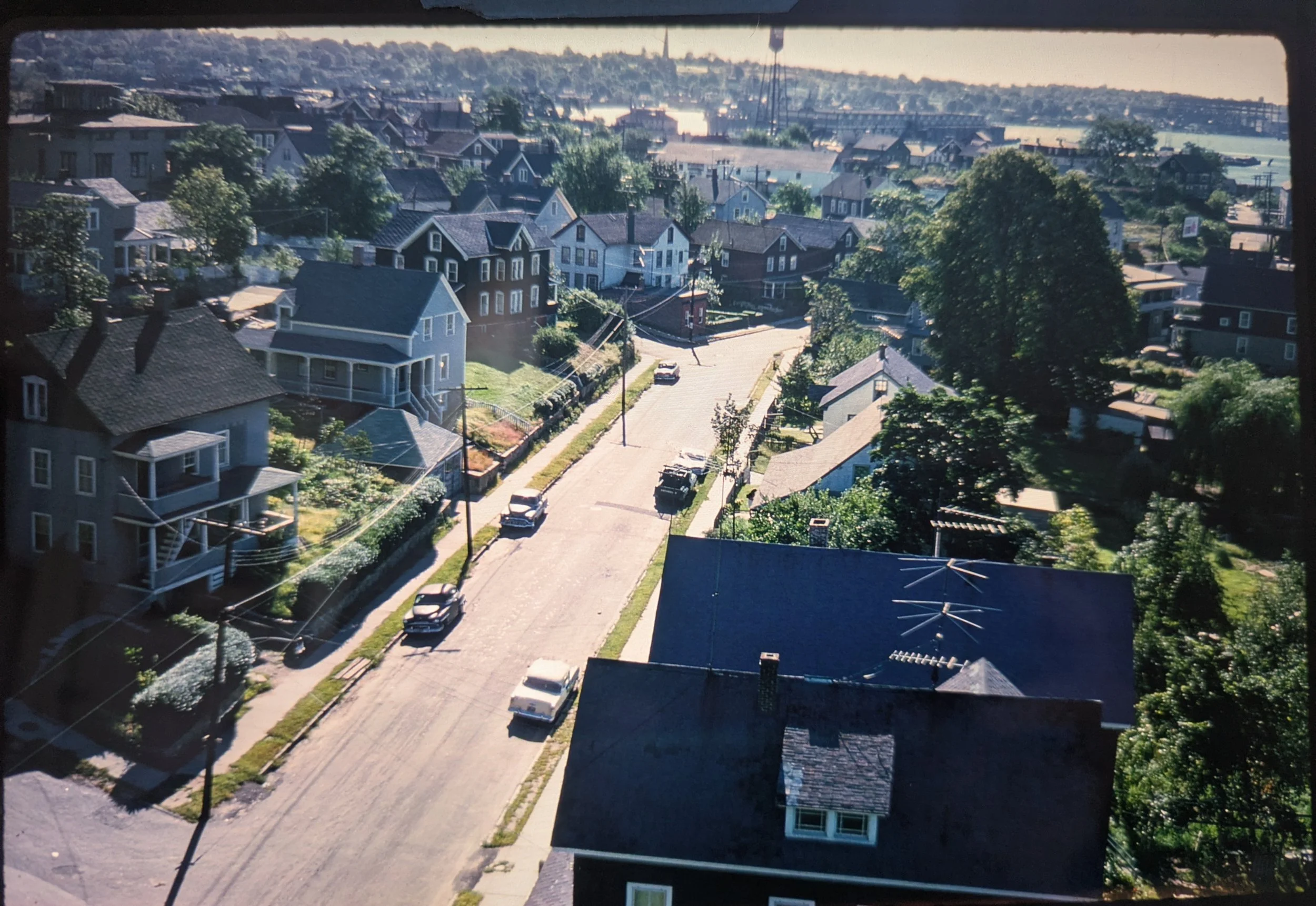
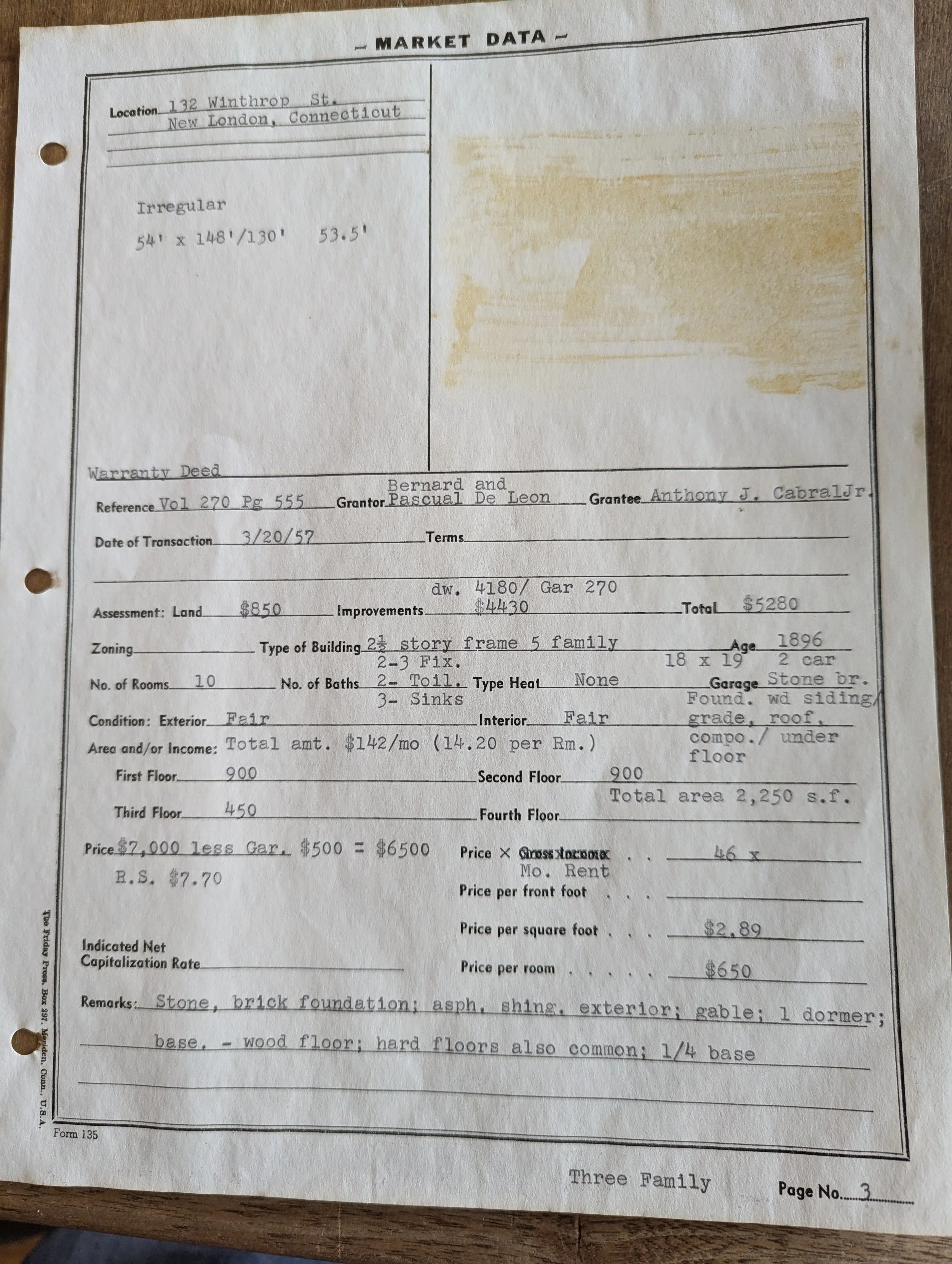
The house at the bottom right is 132 Winthrop Street. Anthony J. Cabral, Jr. bought this 3-family house in 1957. and lived there with his family. Below is the market data form used by redevelopment in arriving at an award or compensation payment in exchange for the property.
Harry M. Bliven, a car sales manager at the Linder and Girard dealerships, lived here also with his wife Mildred.
Joseph Francoeur, a widower and retired civil servant, lived in the third apartment. He continued to work on through his retirement as a seaman for New London Freight Lines which used former Navy landing craft in providing ferry service between Plum Island, Orient Point and the New London terminal on Pequot Avenue by Green Harbor Beach. There is a marina there now.
Market Data form used by redevelopment courtesy New London Landmarks
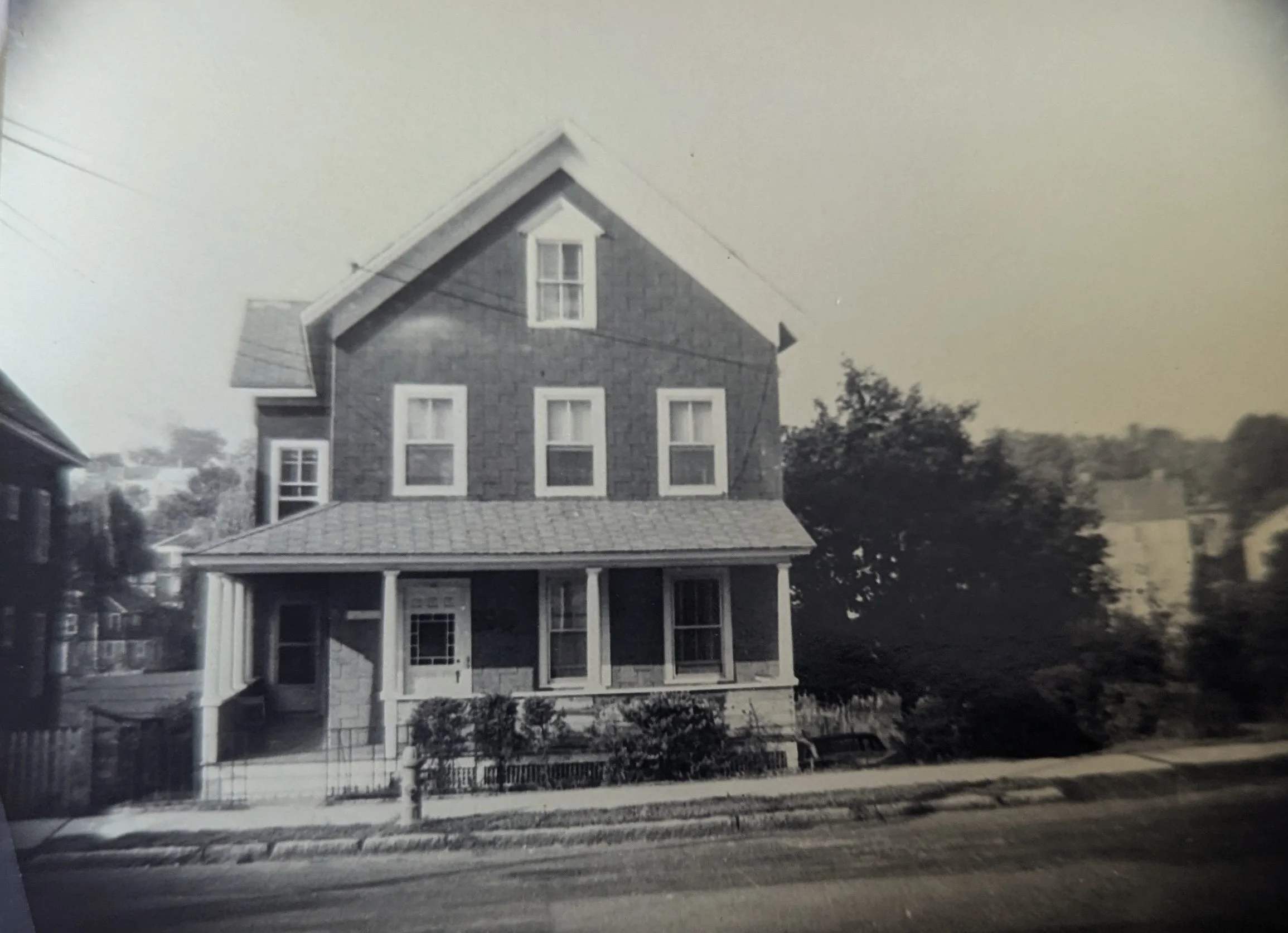
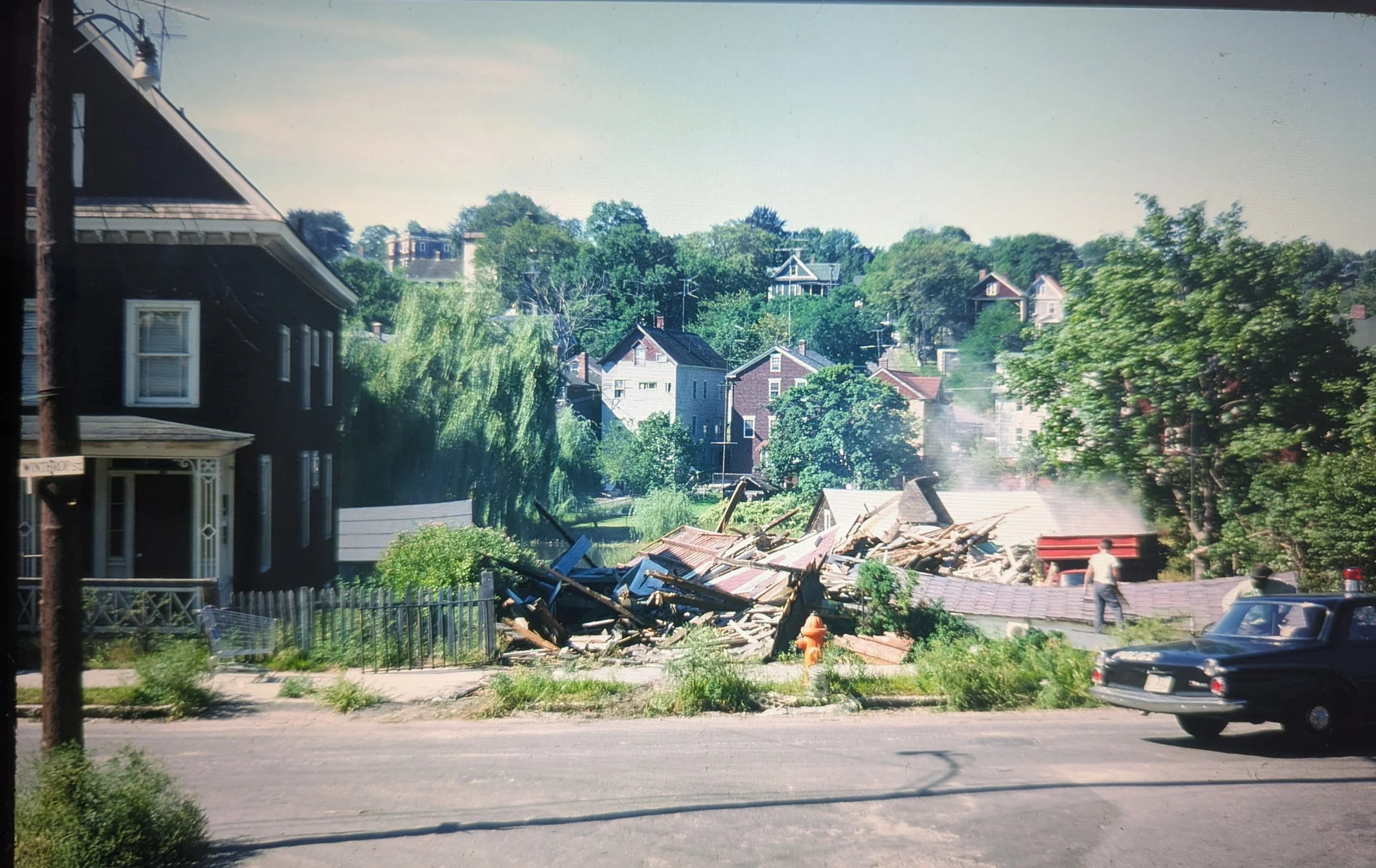
132 Winthrop Street has come down with the aid of a bulldozer, same as 100 Winthrop, the first home to go in September, 1963. Perhaps we are looking at number two.
With frame or wooden structures, it was common to burn the debris in a cleared lot, akin to a funeral pyre. Death on the installment plan for lower East New London. Main Street across Winthrop Cove would meet the same fate.
The Birdman of Winthrop Street… Mr. Frank Mroz
In the two-family house next door at 130 Winthrop Street lived the Mroz family. At the age of 20, Frank Mroz left Poland and settled for New London in 1912. A year later he married Blanche Parda and started working as a longshoreman at the State Pier. By the twenties they were living in the home they had purchased at 130 Winthrop and the family grew with a son and a daughter.
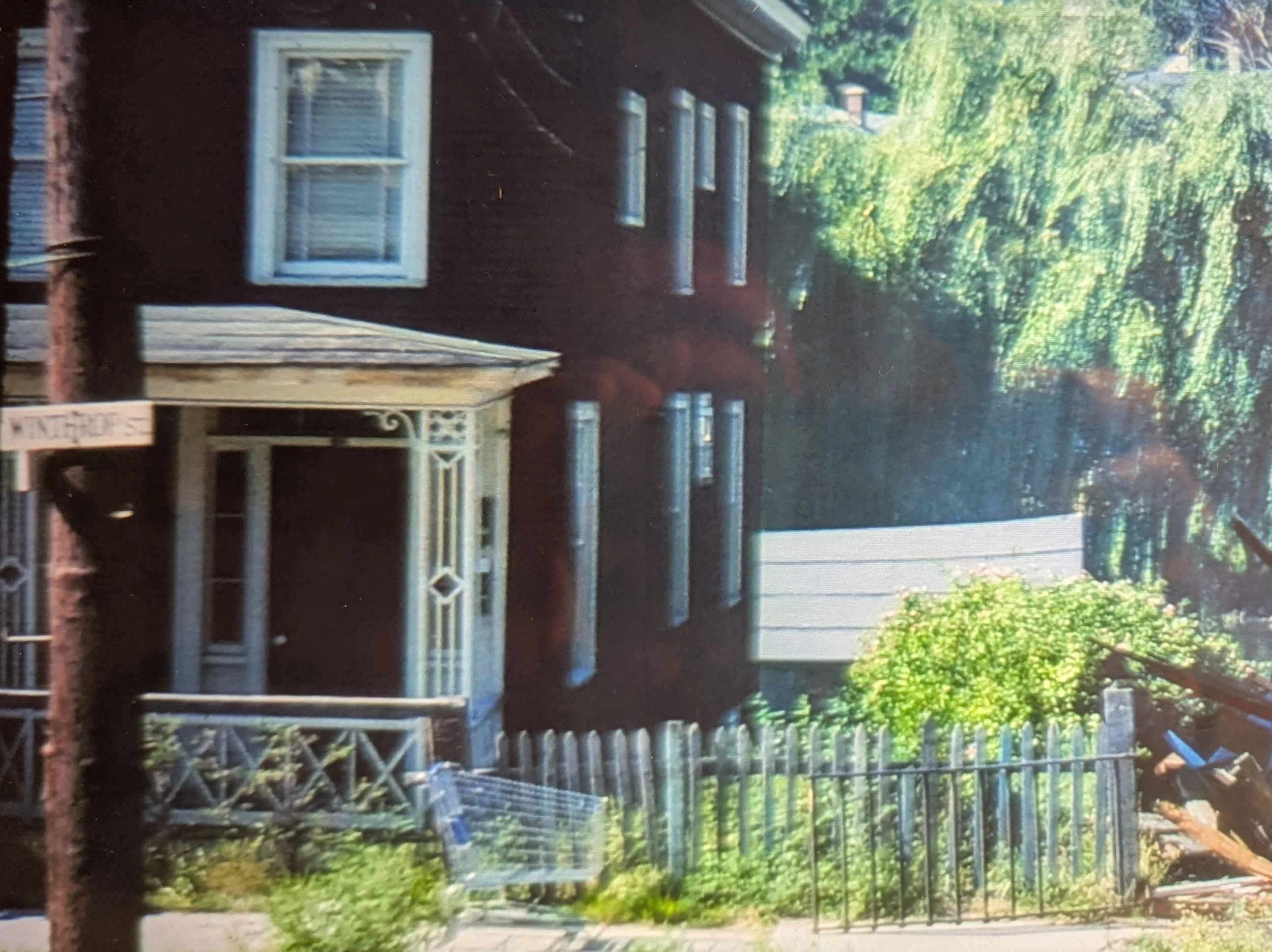
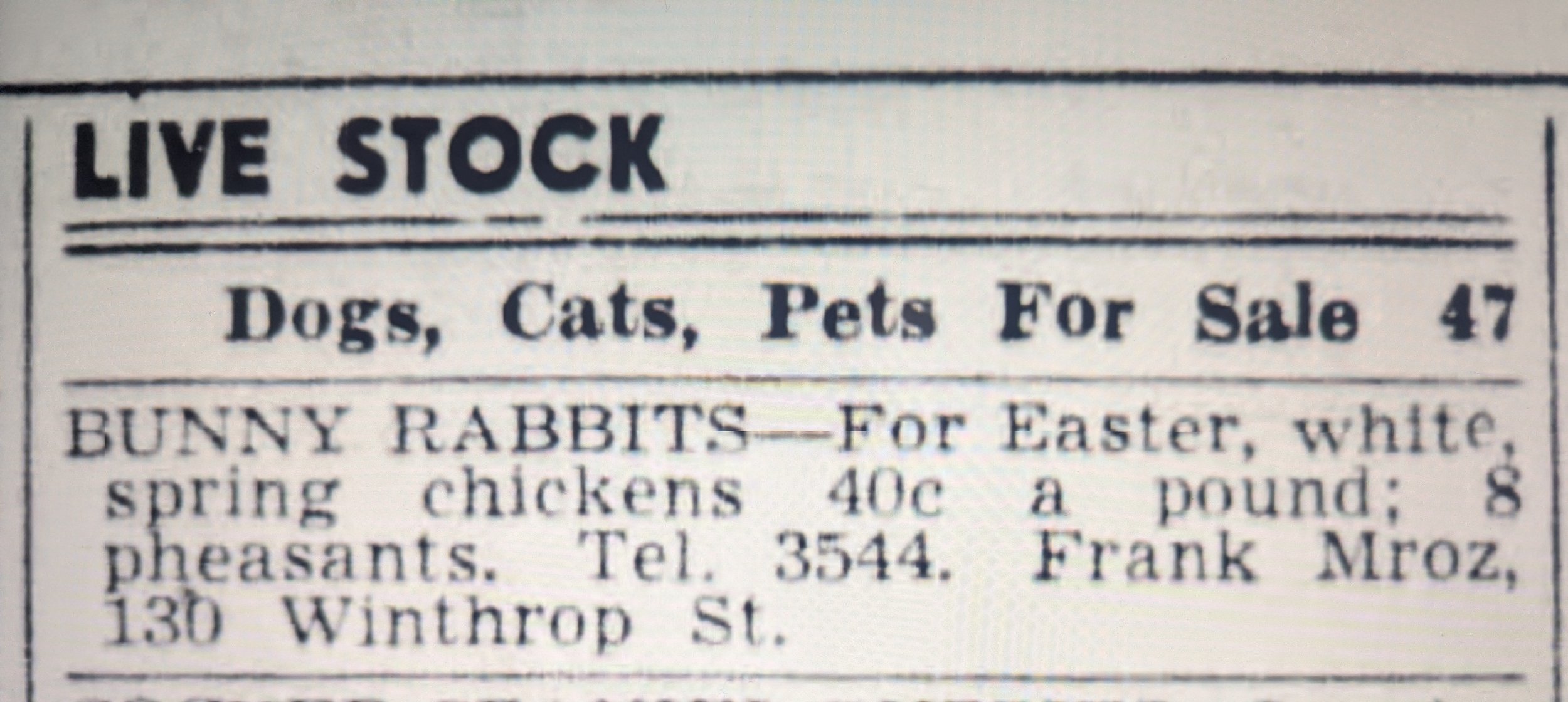
At some point during this time, Frank developed an interest in raising birds and small animals. In 1929, he started selling carrier pigeons in The Day. Handy with tools, Frank built a cote or coop for them behind the house, in the backyard that rolled down to the cove (see roof behind house). Keeping pigeons was a very popular hobby.
Frank entered his birds and rabbits into competition. In late 1937, The Day reported on his 21 first prize awards in a recent event and displayed them in the office front window on Main Street.
Coop break-ins by two and four-legged animals were sometimes an issue, especially during the week before Thanksgiving.
One raid in ˋ41 netted the thieves 60 English Pouter pigeons, valued at a dollar per bird, pictured on the right. credit Backyard Poultry

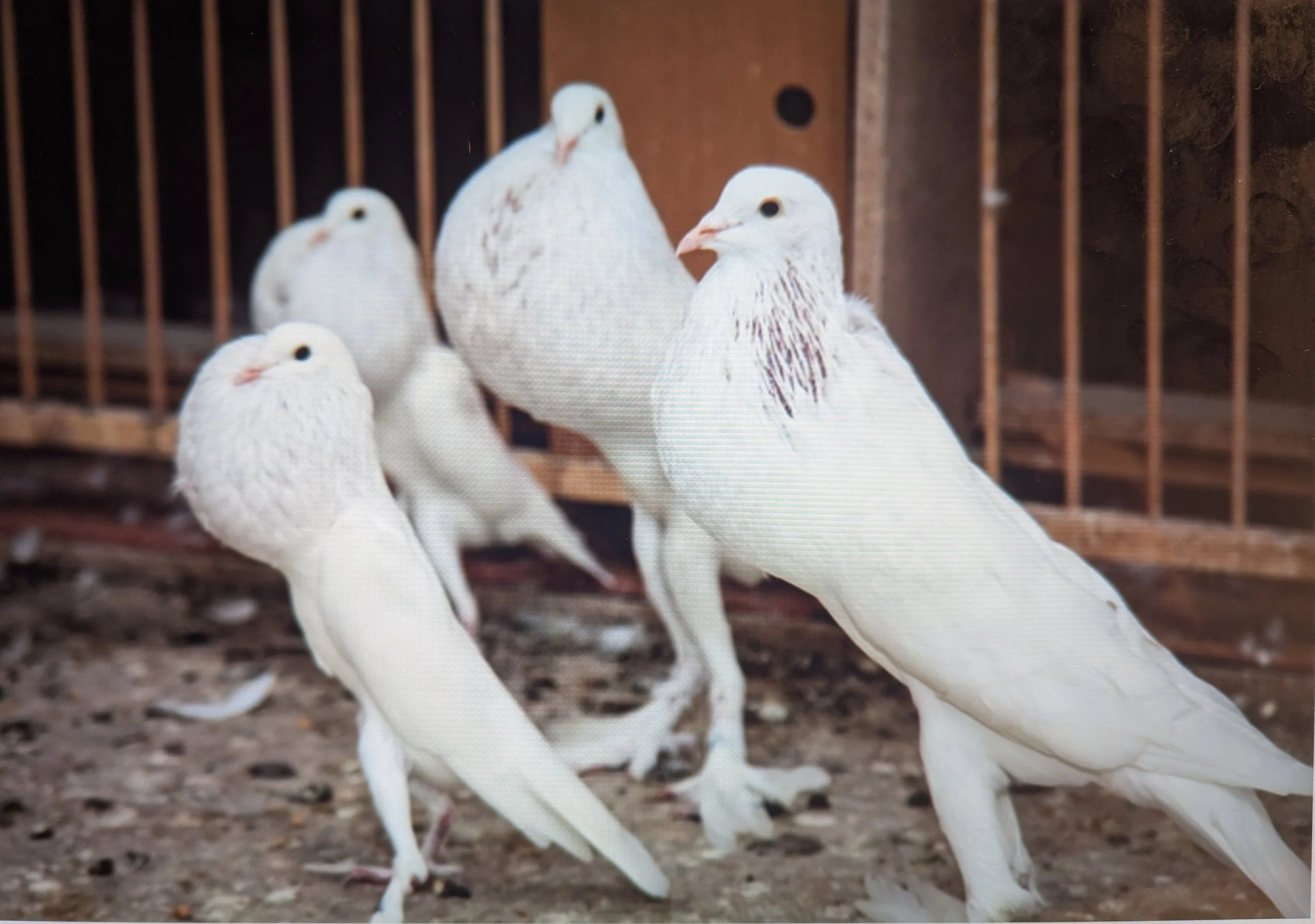
An early morning raid in ˋ61 gained the thief fourteen bantam chickens and a pet raccoon.
credit Kalmbach Feeds
By 1963, it was time to throw in the towel. Frank placed one last ad in The Day classifieds November 9th.
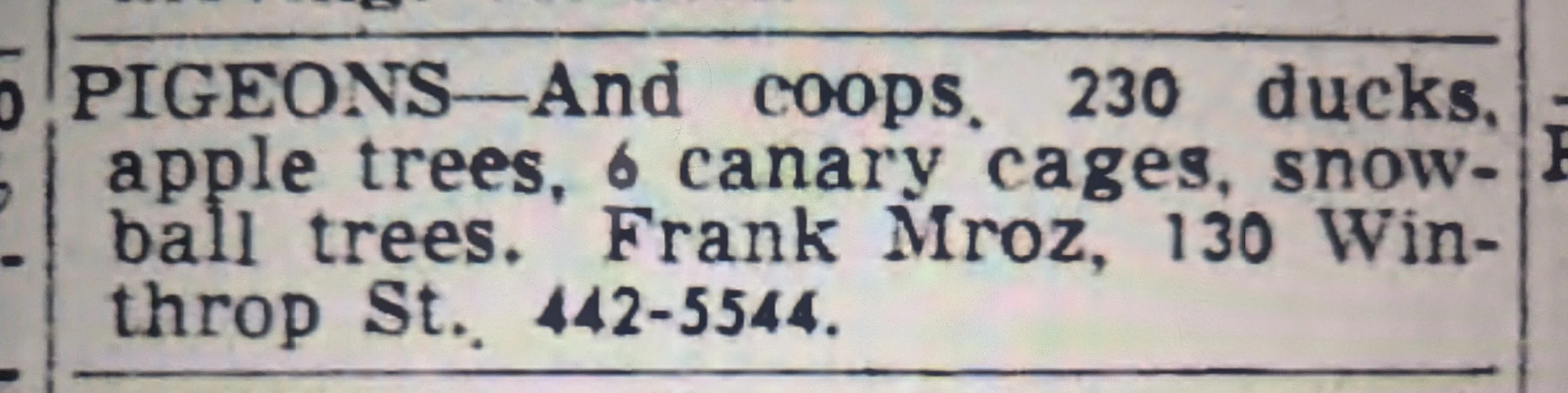
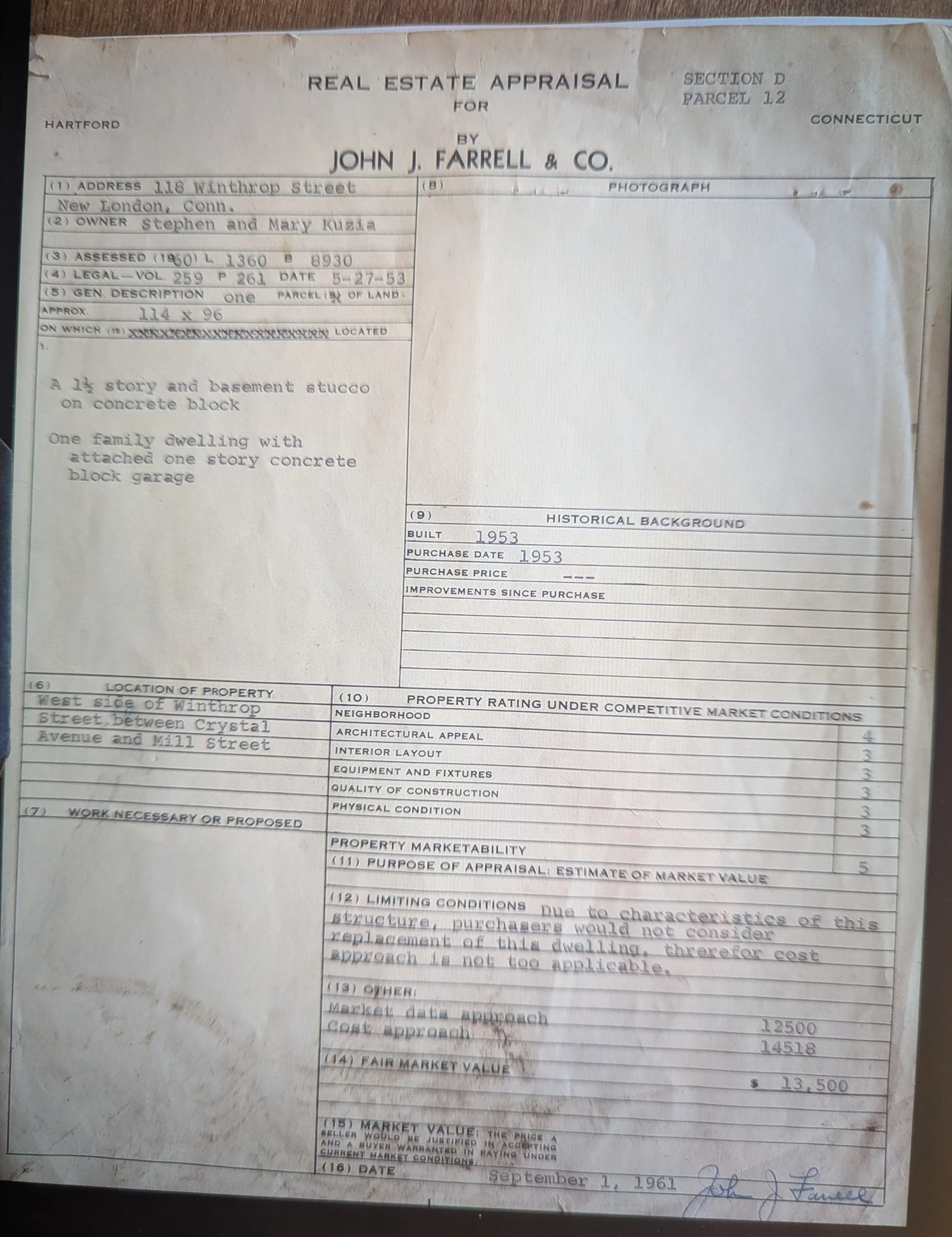
In preparation for the taking under compensation of property by redevelopment, the agency hired appraisers to review through a form the essential marketing characteristics of each property.
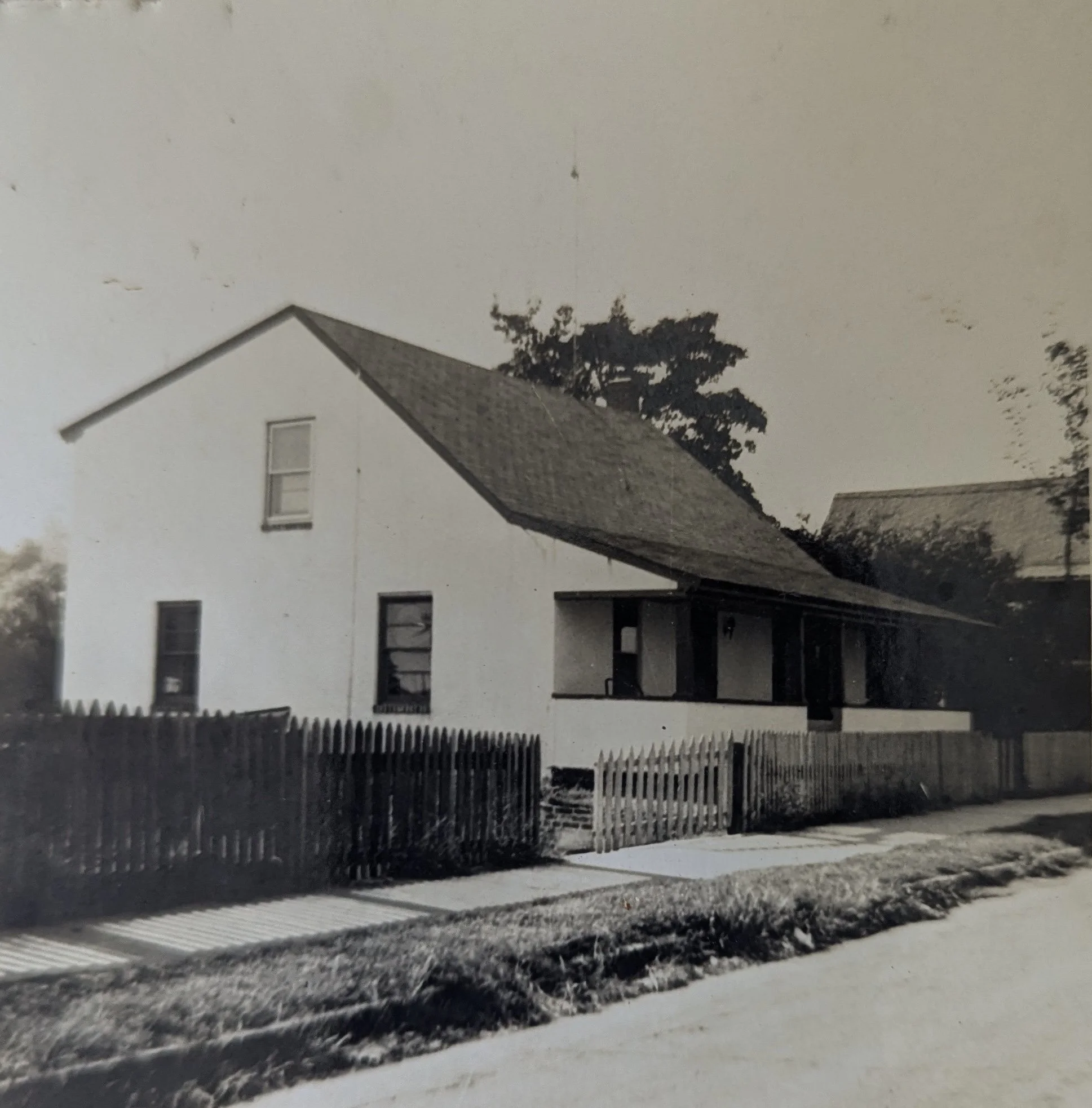
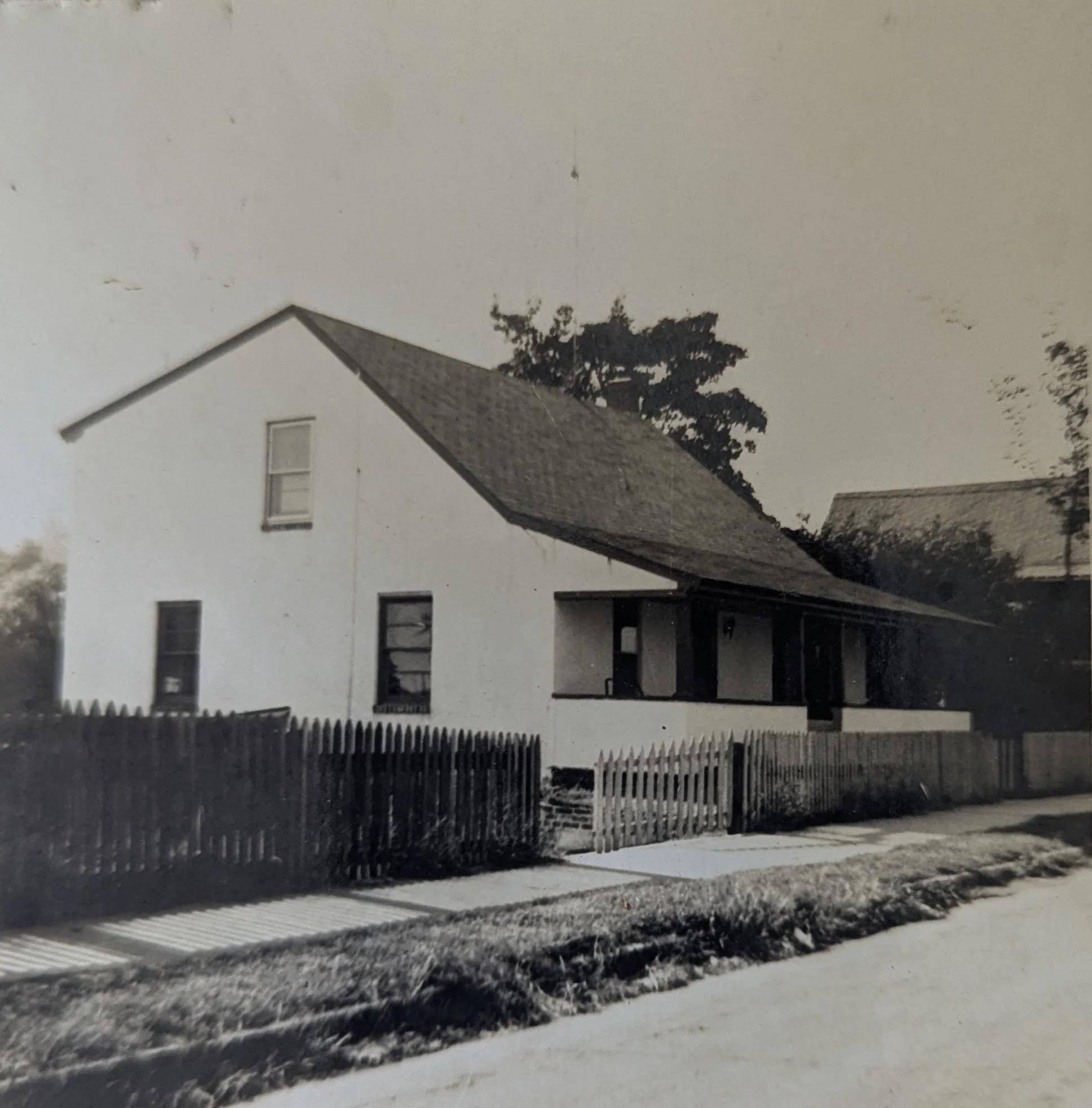
On the right is such a form used in 1961 for the property of homeowners Stephen and Mary Kuzia whose home at 118 Winthrop Street had been built by same (Mr. Kuzia was a contractor) 8 years earlier.
The family moved to Montville.
Courtesy New London Landmarks
Fast forward to early 1964. All houses along the cove side of Winthrop Street are gone. Only the Polish Veterans club remains near the corner with Crystal. Above the club, you can see how Winthrop continues under the New Haven Railroad overpass.
This immediate area is where the three future high-rise towers will go in 2-3 years along with a parking lot and a playground. They will be called 42-48 Crystal, among other things.
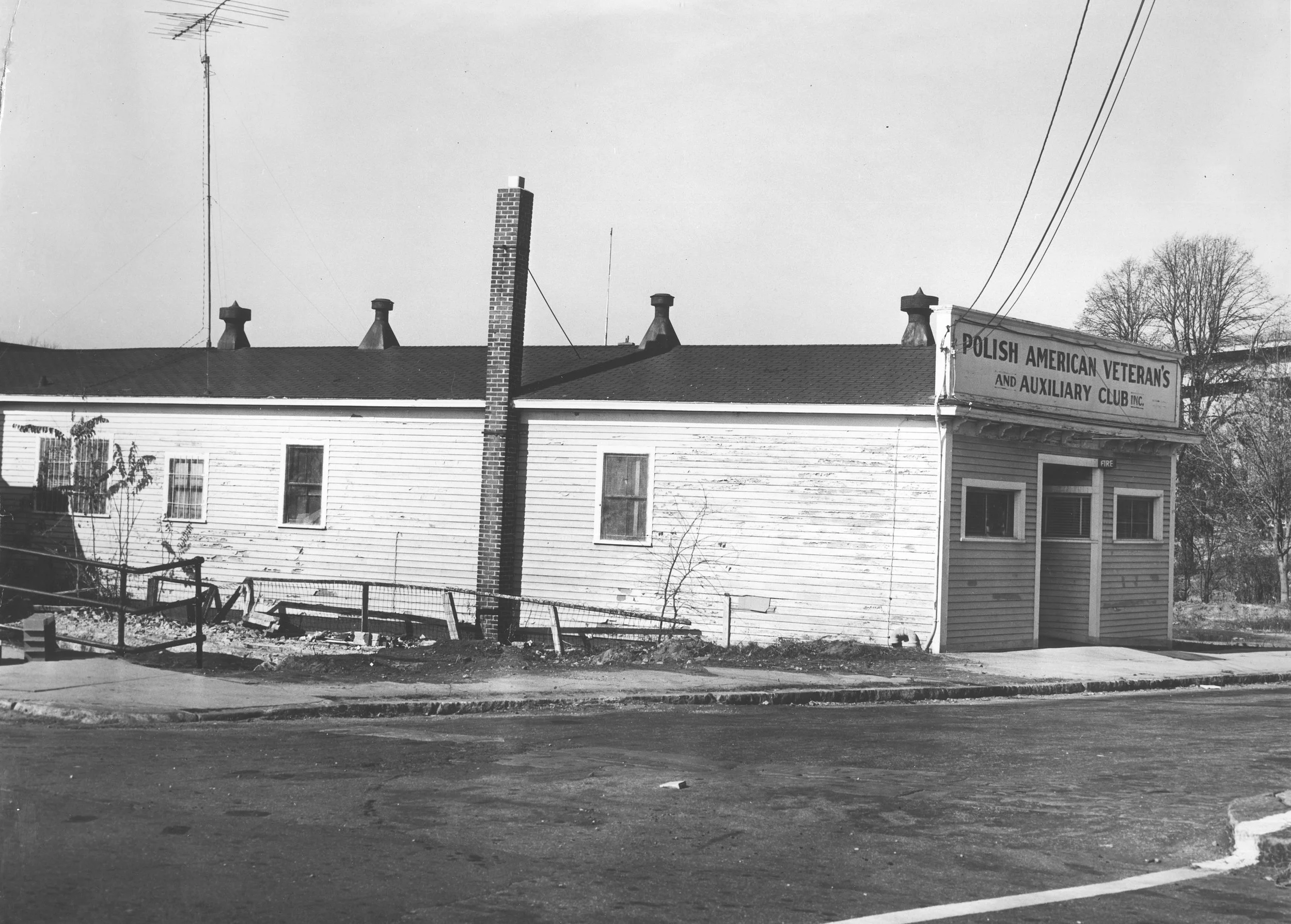
The Polish Veterans club, at 80 Winthrop Street, November ˋ63. The corner house at 76 has already been demolished as evidenced by the broken railings and the debris footprint.
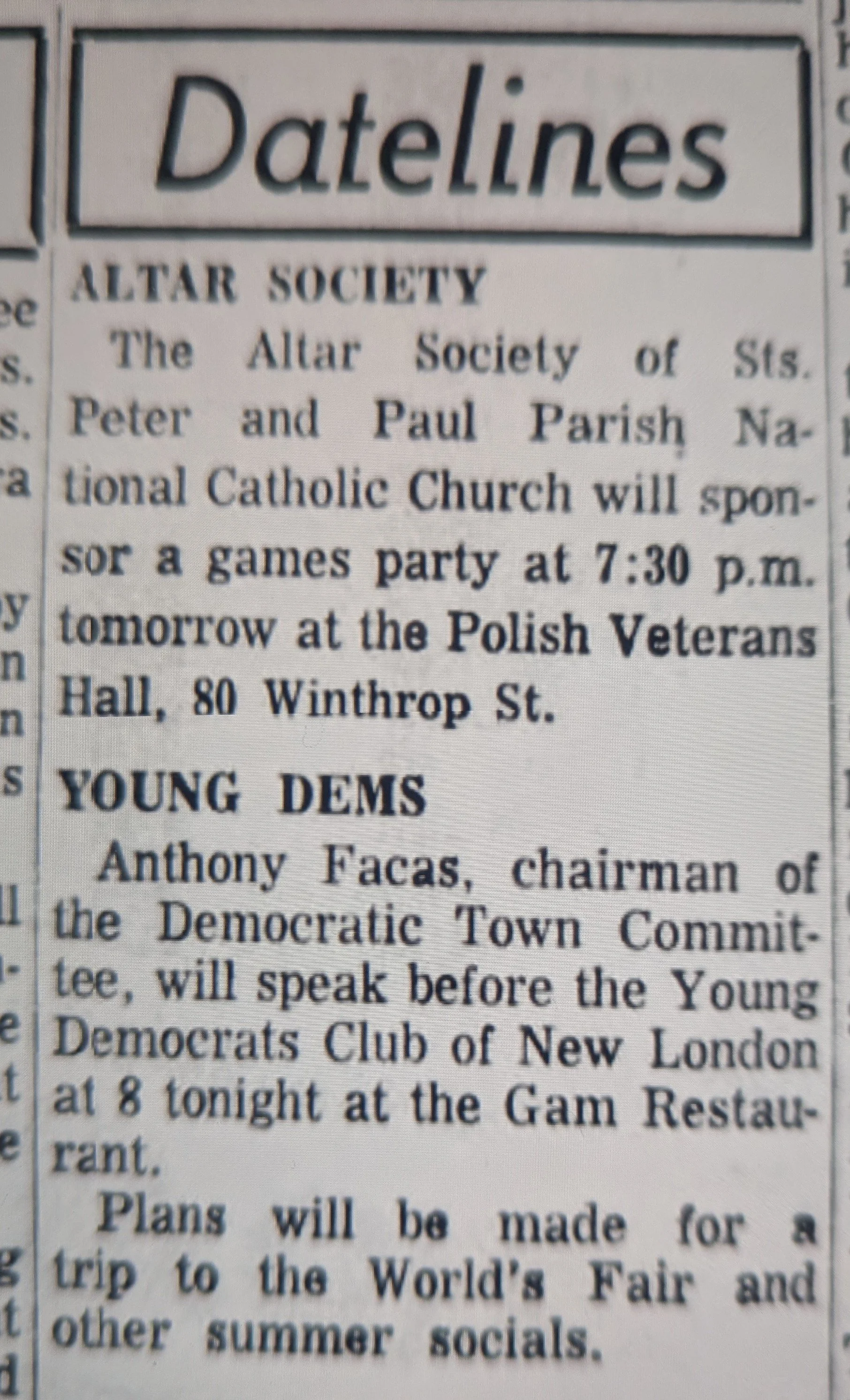
On May 4, 1964, Frank Wyrod, permittee for the club, posted a notice in The Day per the relocation of the license and club to 51 Central Ave. just north of the bridge.
credit CONL, Public Works
From the Datelines column of The Day, 5/27/64.
While eyes on the street, day and night, helped in reducing crime, there were fewer and fewer of these as the march of progress continued.
Break-ins and vandalism increased as the neighbors moved out and their homes disappeared, thus creating a little house on the prairie environment. In ˋ63 and ˋ64, the club was burglarized, vending machines jimmied and emptied.
Interestingly, it was the Polish Veterans club that filed the first appeal against the monetary award of $20,000 issued by redevelopment as reported in The Day, October 15, 1964. According to the article this first appeal was one of 16 waiting to go to an independent settlement board.
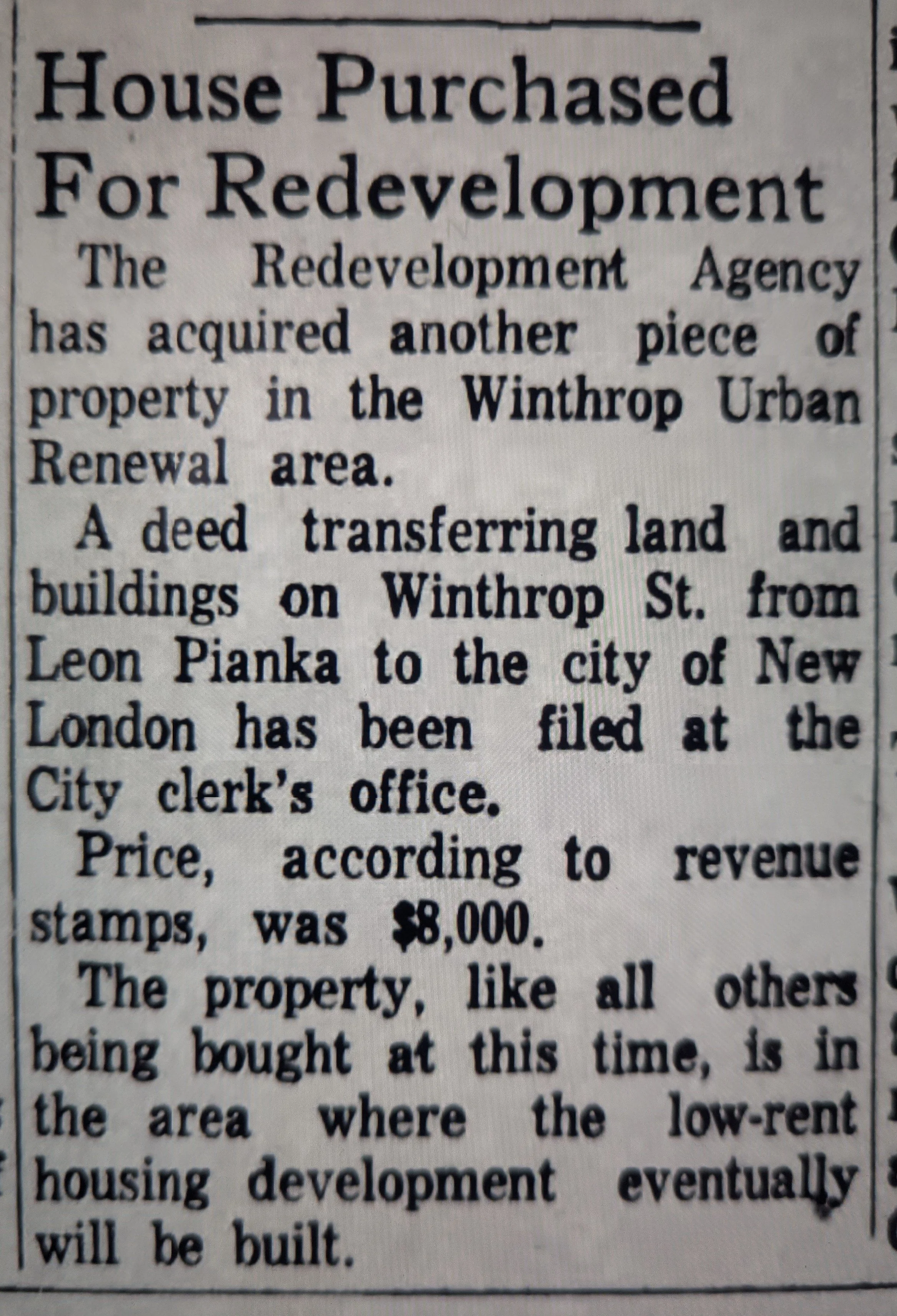
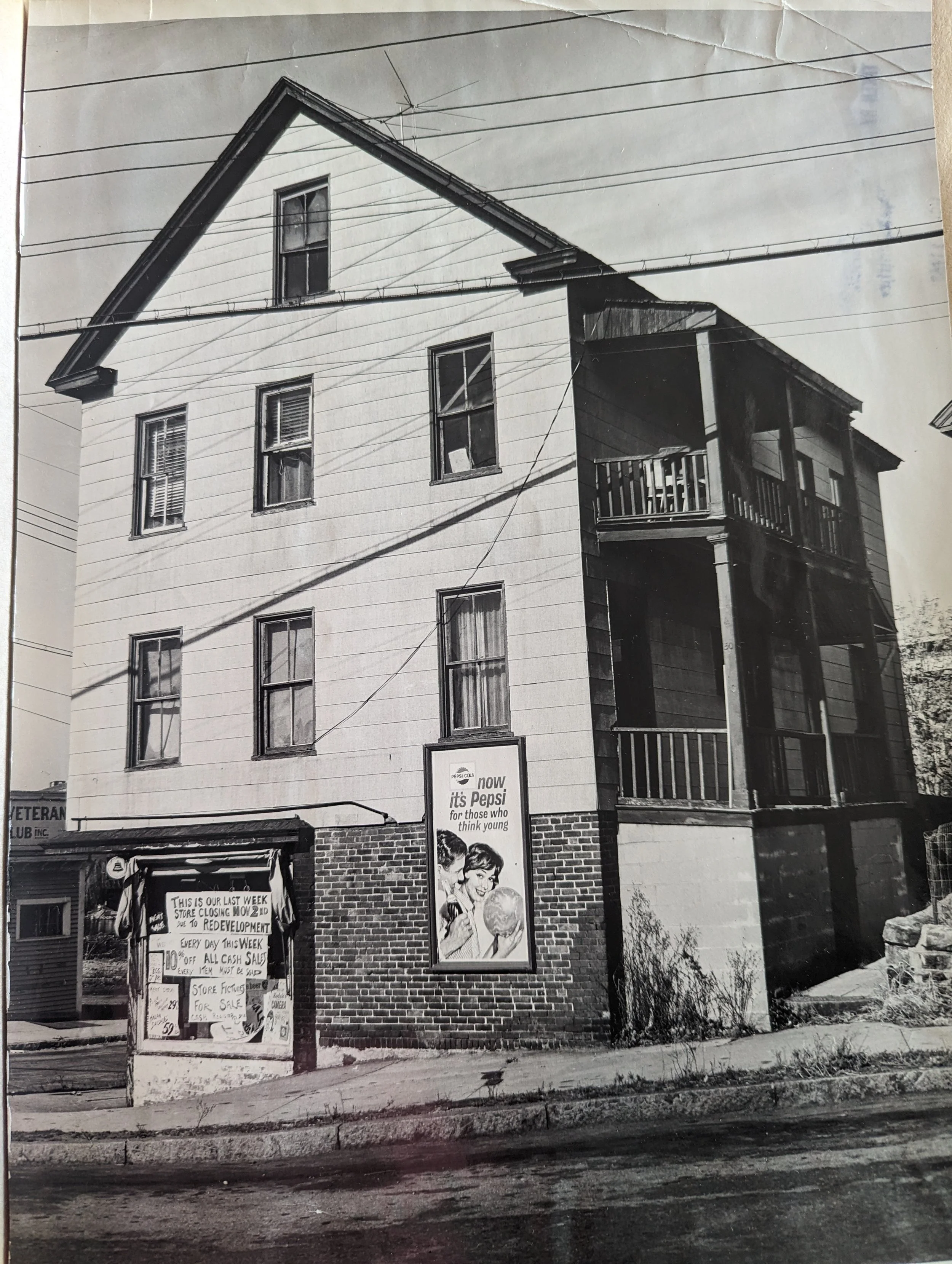
The Pianka family lived in their house on the corner with Crystal Avenue at 76 Winthrop Street. Leon Pianka was the sergeant-at-arms next door at the Polish Veterans club. He and his wife Helen (Czekala) were natives of Poland and attended services at St. Peter and Paul on upper Main Street.
In ˋ63, they left with their daughter Helen Davis to live on Bayonet Street.
While, as of now, I have no picture images, here is the real estate transaction as reported in The Day, 4/16/63, nearly a year after the referendum on redevelopment passed.
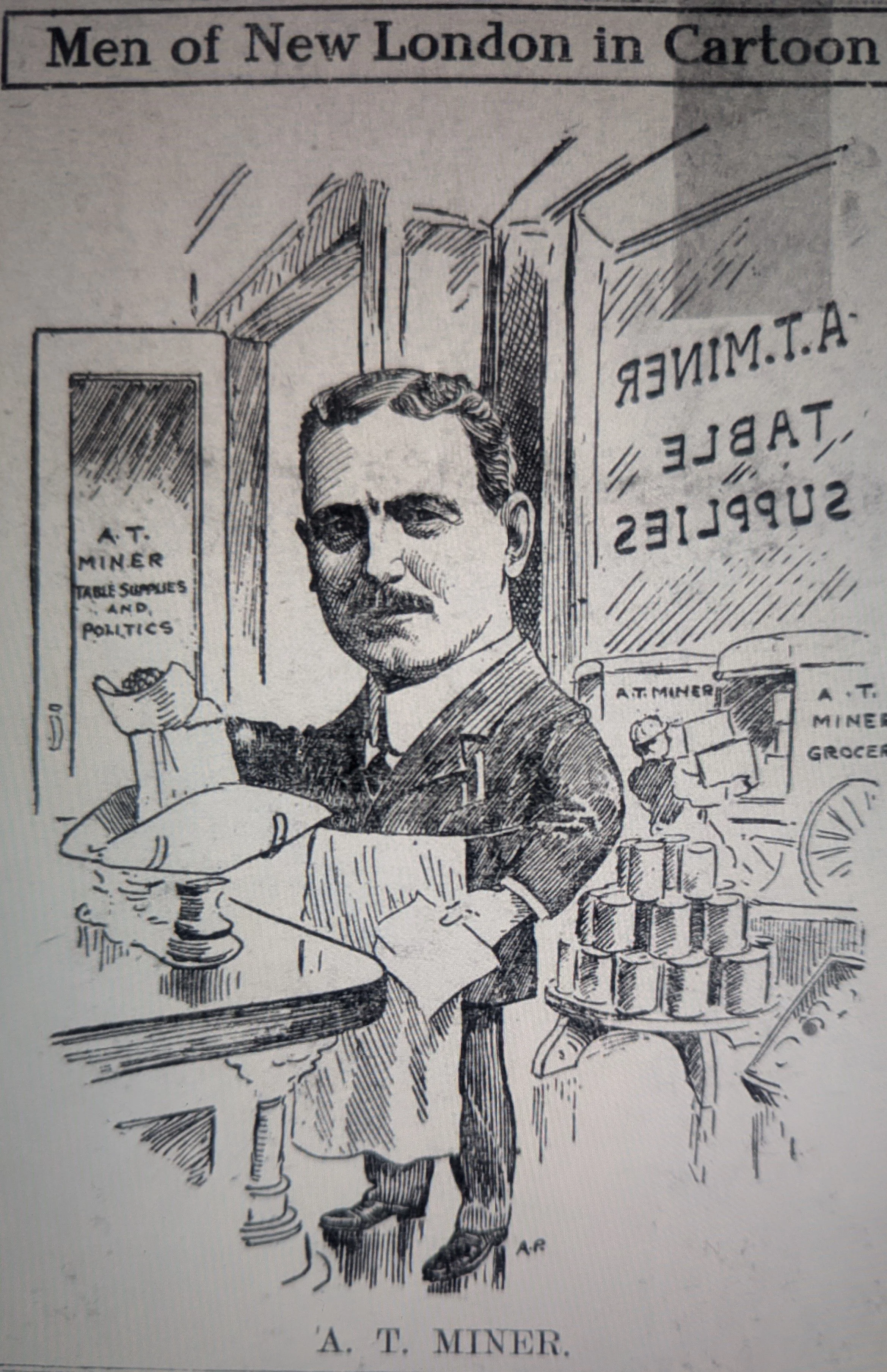
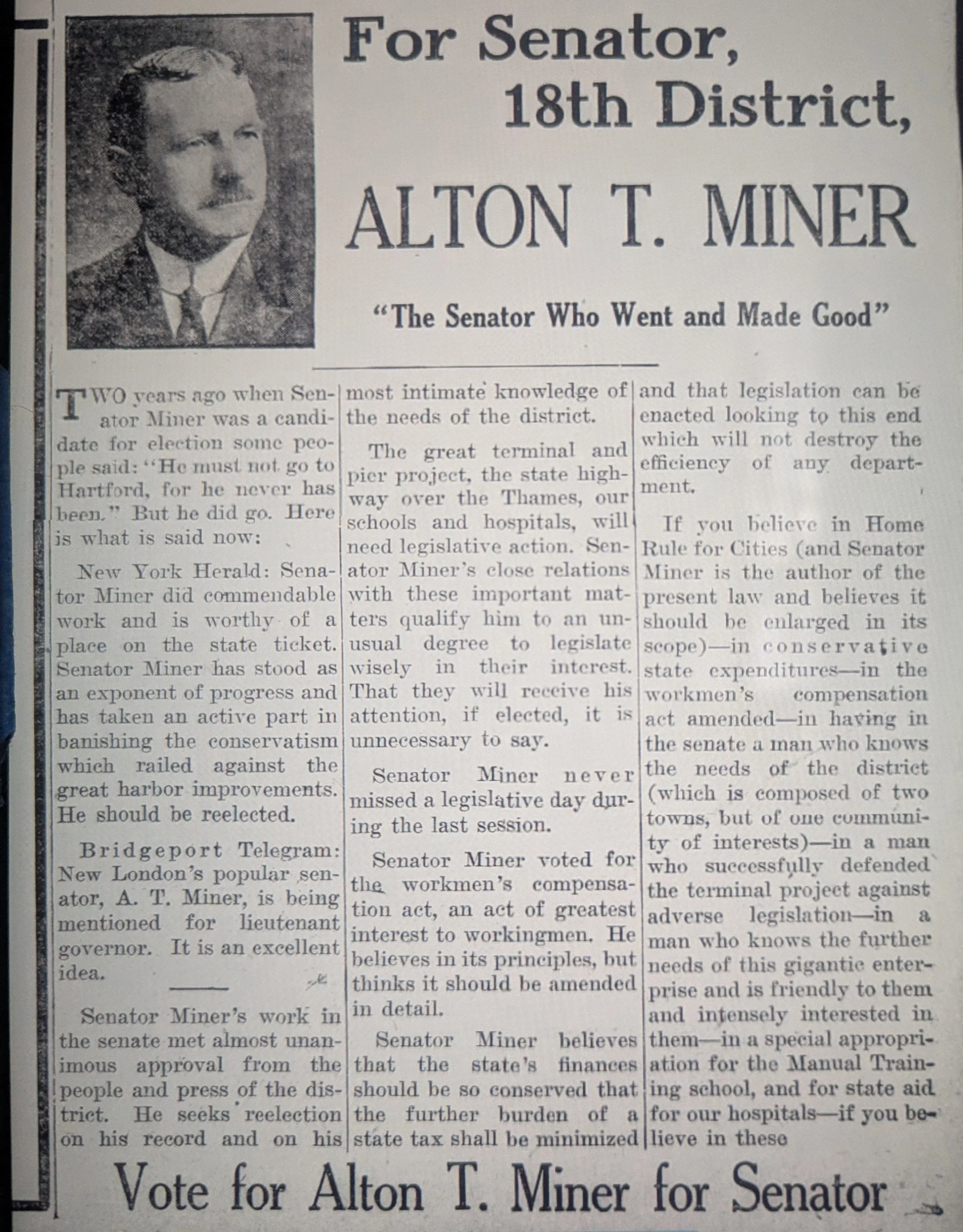
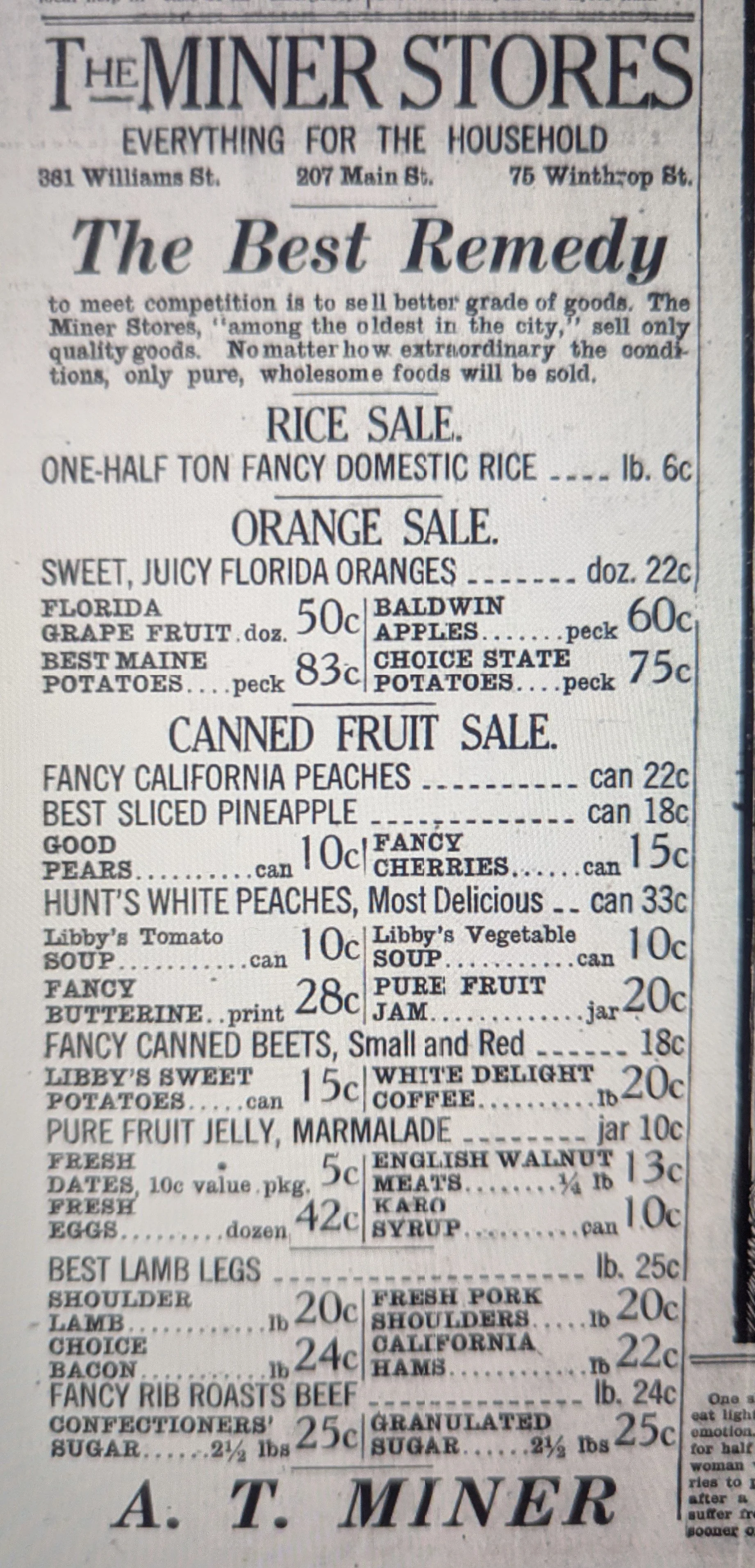
Sidenote… A descendent of Thomas Miner who Governor Winthrop had build the Old Town Mill, Alton Miner operated his first grocery in a former fish market at the corner of Main and Crystal Avenue in 1894. In time he came to own and operate 3 groceries while being a first-ward alderman and state senator.
The key to Mr. Miner’s success as a businessman and politician lay in the way he treated people, whether they be a customer or one of his 21 employees at a company dinner or picnic.
Alton Miner was later elected mayor under both the strong mayor and city manager forms of government. In 1922, he retired from the grocery business with many of his customers continuing their trade with Mr. Silva. It is worth noting, that Alton T. Miner served on many boards during his long life (81), and was director of the Mystic Oral School and the Newington Home for Crippled Children. A. T. passed in 1946, leaving his wife, Sarah, with whom he‘d been married 61 years.
November 1963…
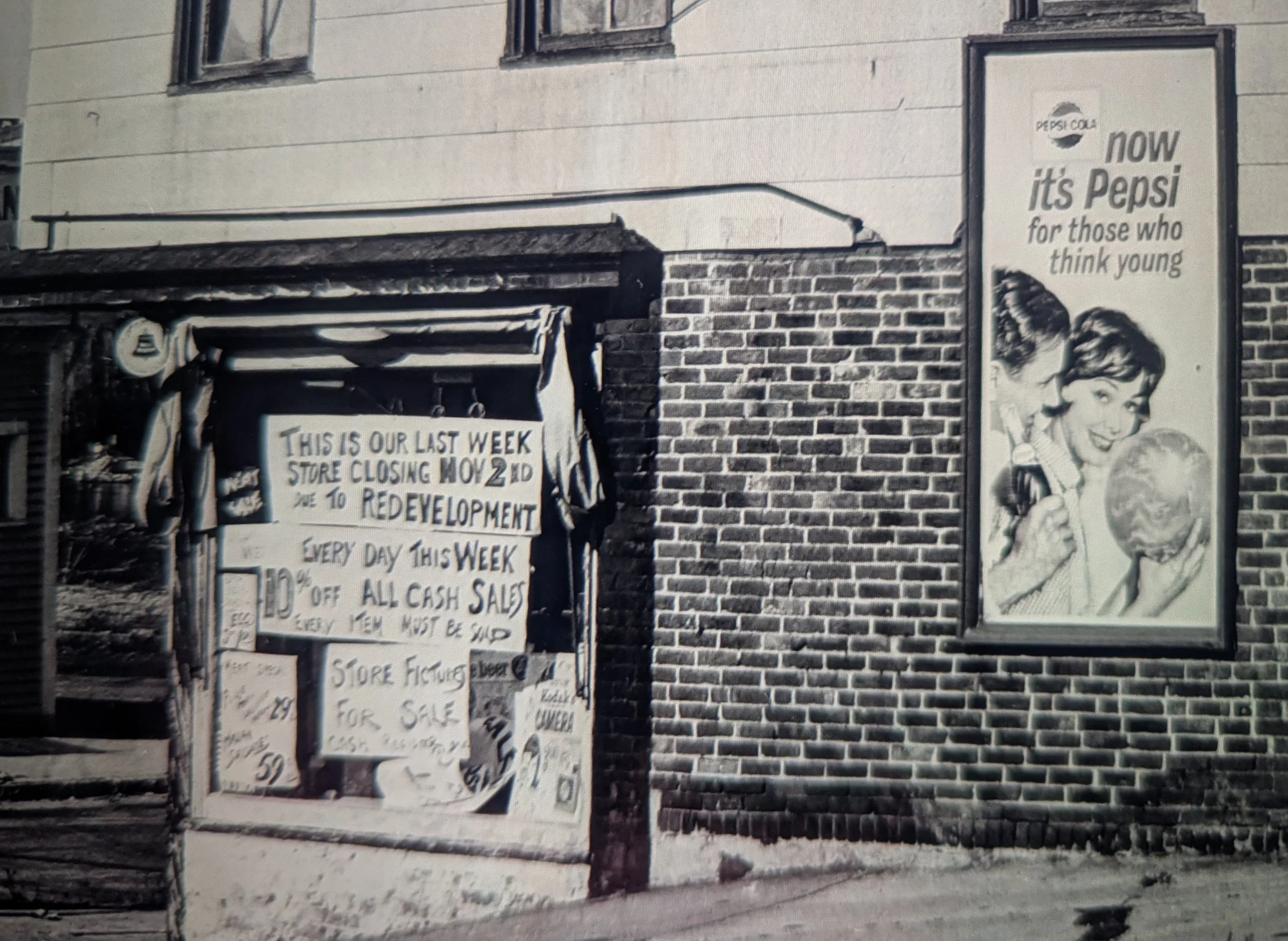
75 Winthrop opposite the club at 80. Since 1940 this was Aubrey Wilkinson‘s Market. Living above were Bernard and Ann Bigney, both active in 1st Ward politics. The Democratic Women‘s Club met here on a regular basis.
Joseph J. Silva and his family came from the Cape Verde Islands, a former colony of Portugal. They settled at 6 Lewis Street and John peddled The Day to add to the family‘s income.
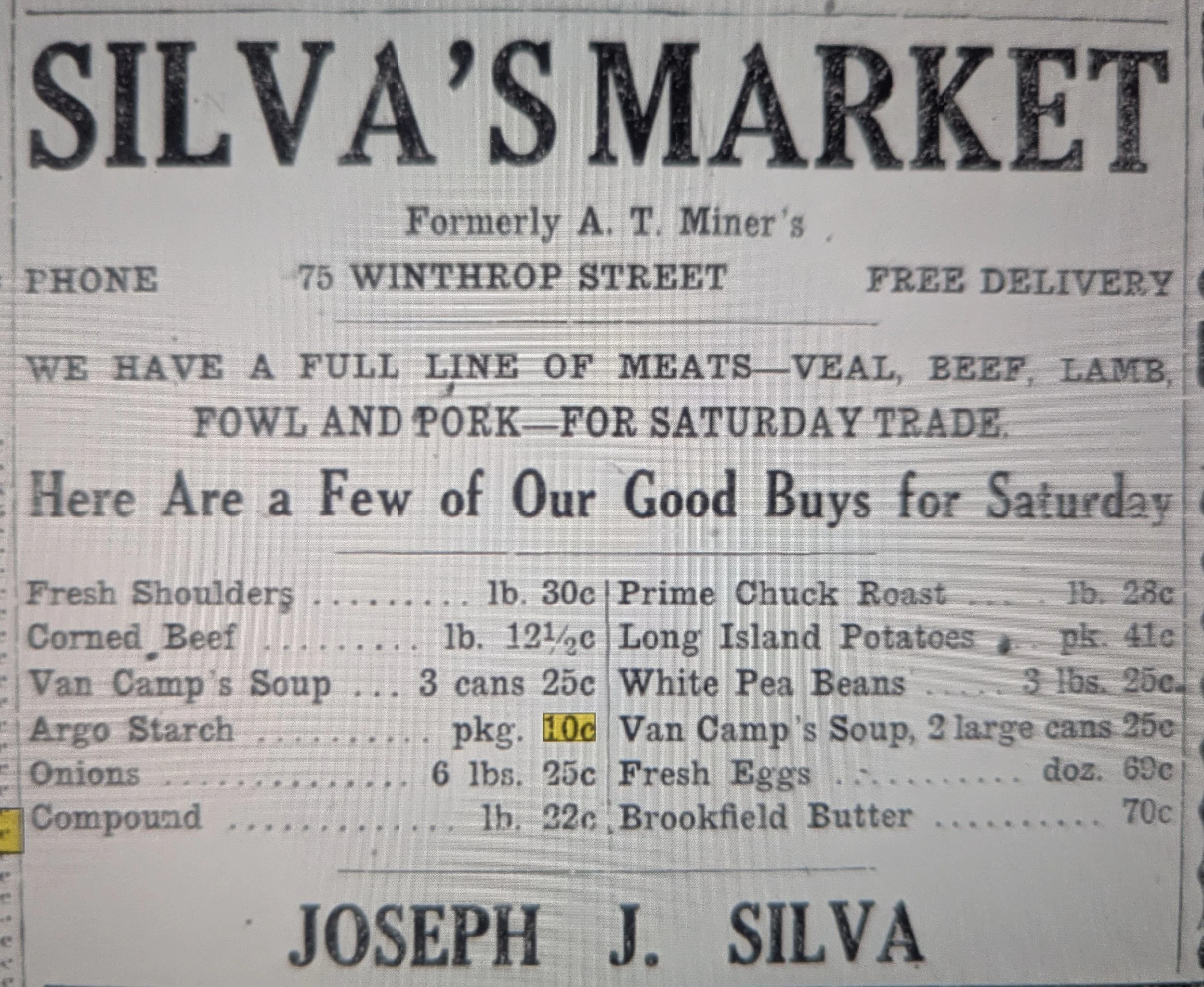
During the teens, Mr. Silva worked here at Alton T. Miner’s store (see sidenote), learning the retail and meat carving trade. According to John Foley in his obit on the life-long Elks member, J.J. hated the label butcher, much the way a surgeon would. In 1920 Mr. Silva took over the Winthrop Street store and opened Silva‘s Market.
left, display ad from March 9, 1917
below, display ad from October 10, 1920
both ads, courtesy The Day
The Polish Veterans Club across the street started out as a blacksmith‘s shop around the turn of the century. After 5 successful years of customer growth, Mr. Silva bought the blacksmith‘s shop in 1925 and, after expanding and outfitting the shop, opened Silva‘s meat market at 80 Winthrop Street.
In 1945, Mr. Silva sold the building to the Polish Veterans Club.
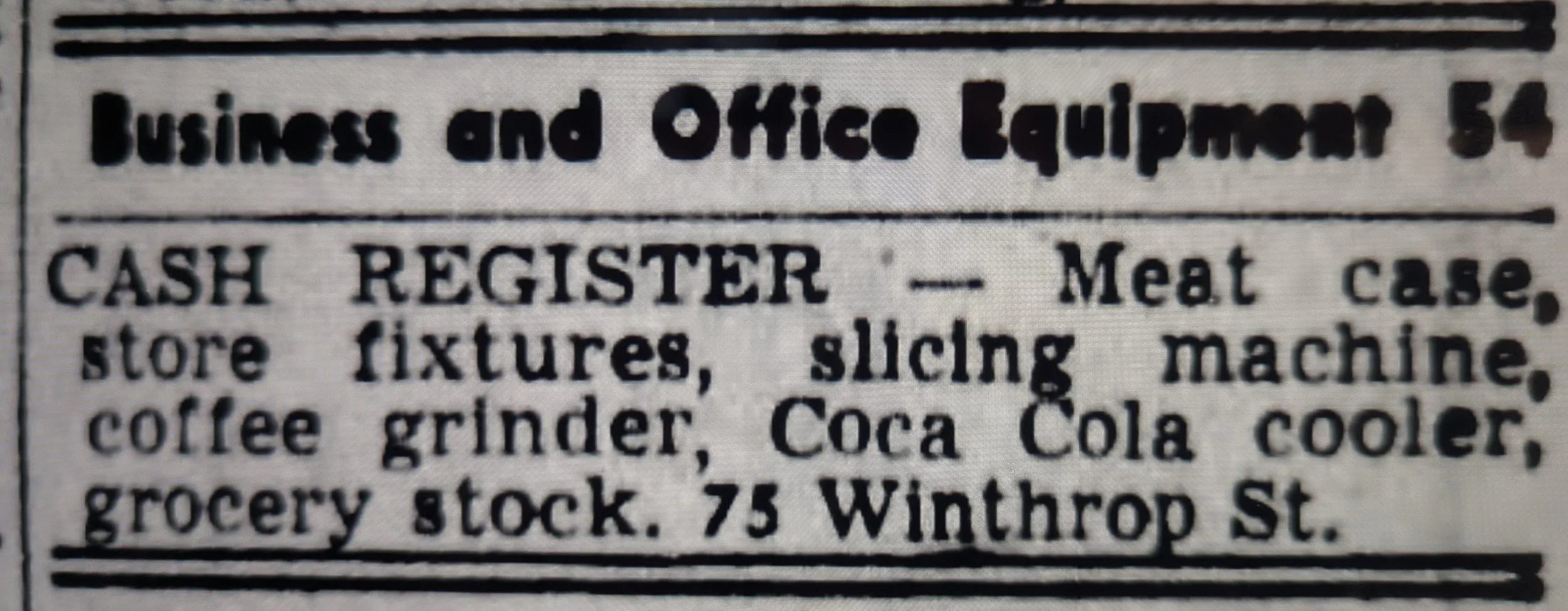
Meanwhile, across the street at 75 Winthrop, Aubrey Wilkinson of 8 Lewis Street (the Silvas and Wilkinsons were most likely neighbors) had been operating his market since 1928 as a National Economy Store. He will be the final grocer at this location. As a hobby, Aubrey fished, sometimes ice fishing for smelt in Winthrop Cove inside the curved rail approach to the drawbridge. My bet is that his catch and that of others, made it into the cooler display in his store.

Classified ad from The Day, November 4, 1963
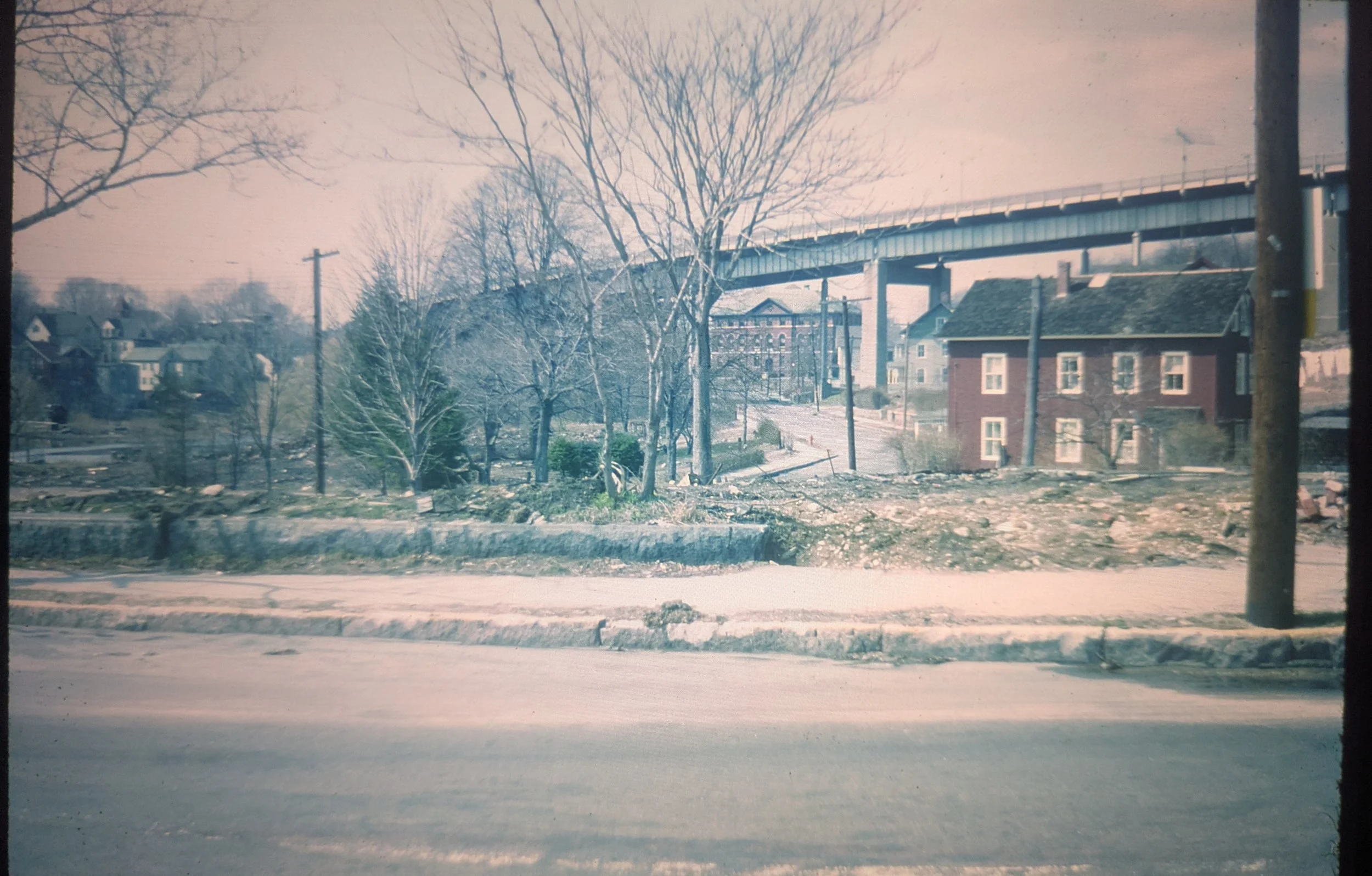
Early spring, 1964. Two duplex homes remain on upper Winthrop Street. One is celebrating a brief reprieve from the near-constant smoke and dust of demolition by hanging out linen to dry. In the center background at the end of the street, you can see Winthrop School. Redevelopment-forced relocations played havoc on elementary school students. A second-planned span over the Thames River meant the looming end of Winthrop School in its original location near the long-gone Winthrop homestead. We are standing on lower Crystal Avenue looking north. credit George Oldershaw